
 Menu
Menu
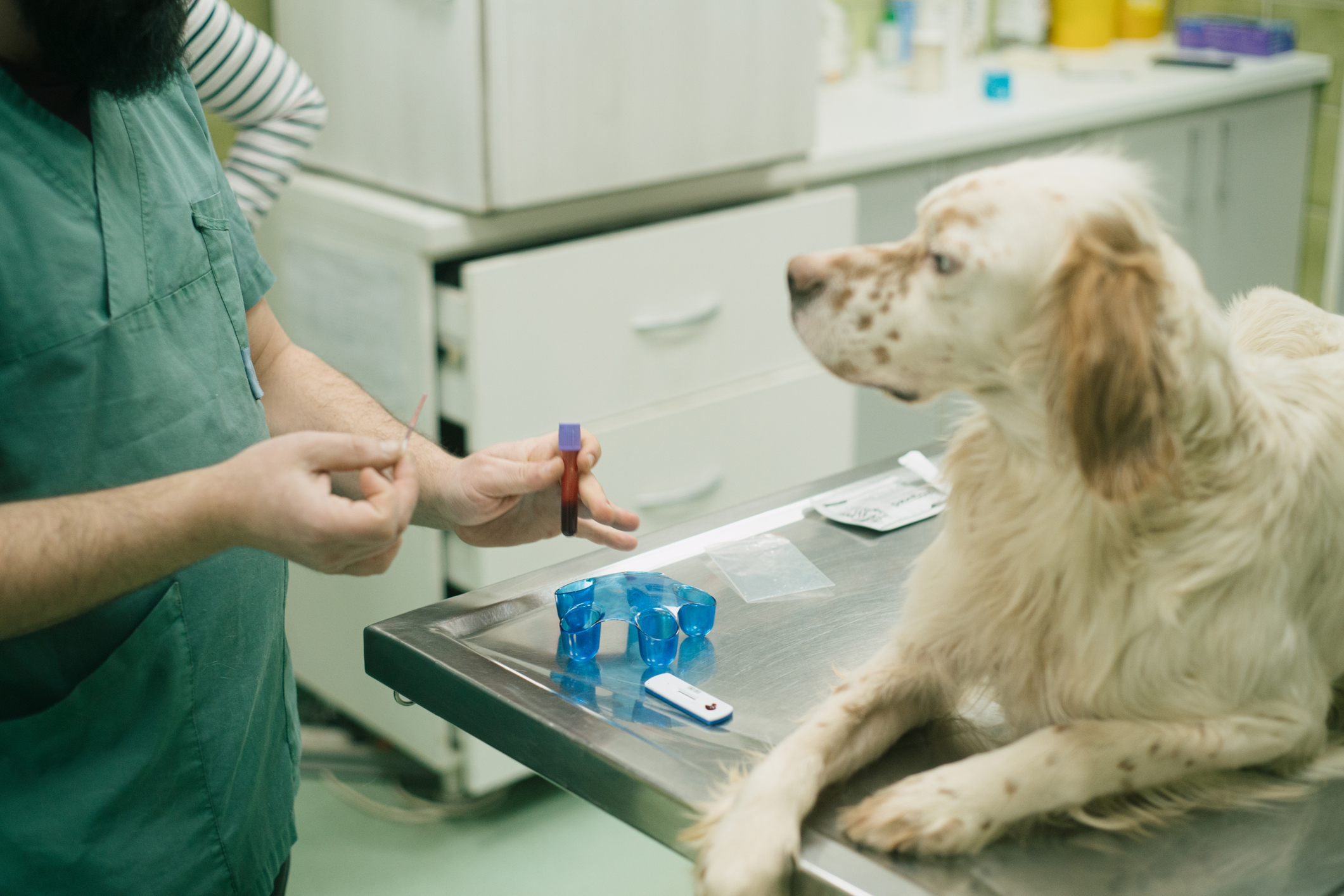
If your veterinarian recommends repeat bloodwork for your pet, it’s natural to wonder: “Didn’t we just do this?” At True Care Veterinary Hospital in Howell, NJ, repeat testing builds a clearer picture of your pet’s health over time. Much like people, pets’ bodies change, and tracking those changes helps veterinarians make thoughtful, well-informed decisions.
Pet bloodwork is one of the most valuable tools in modern veterinary diagnostics, especially for monitoring chronic conditions, adjusting treatment plans, and catching problems early.
Why Bloodwork Is More Than a One-Time Test
Bloodwork provides a snapshot of how your pet’s organs and systems are functioning at a specific moment. That snapshot can be incredibly informative, but it’s only one frame of a much bigger story.
Repeating blood tests in pets allows veterinarians to identify trends rather than isolated results. A single value that’s slightly off may not be concerning on its own, but changes over time can signal the early stages of disease or show how well a treatment is working.
In short, repeat testing helps answer essential questions: Is your pet stable? Improving? Or showing subtle signs that something needs closer attention?
Common Situations That Call for Repeat Blood Tests in Pets
There’s no universal schedule for repeat bloodwork. How often it’s needed depends on your pet’s age, health status, and medical history. Some common scenarios include:
- Monitoring chronic disease in pets, such as kidney disease, diabetes, thyroid disorders, or liver conditions
- Following up on abnormal results to confirm whether values return to normal or continue to change
- Adjusting medications, especially for drugs that affect organ function or require precise dosing
- Post-treatment or post-surgery monitoring to ensure proper recovery
- Senior pet care, when age-related changes can happen gradually and quietly
These situations highlight why repeat blood tests for pets are often part of proactive, personalized care—not a sign that something has gone wrong.
How Trends Help Veterinarians Make Better Decisions
One of the biggest advantages of repeat testing is the ability to compare results over time. Veterinarians look for patterns rather than focusing on a single number.
For example, kidney values that slowly rise over several months may indicate early kidney disease, even if your pet seems perfectly normal at home. On the other hand, stable values can offer reassurance that a chronic condition is well-managed.
This trend-based approach allows veterinarians to intervene earlier, fine-tune treatments, and avoid unnecessary changes when things are holding steady.
The Role of In-House Testing in Timely Care
At True Care Veterinary Hospital, having an in-house laboratory means bloodwork results are often available within minutes. That speed matters, especially for pets in the intensive care unit (ICU), those receiving cancer treatment, or animals experiencing sudden changes in condition.
Fast results allow the veterinary team to:
- Make same-day treatment decisions
- Monitor daily progress when needed
- Adjust care plans without delay
This level of efficiency enhances the accuracy and effectiveness of veterinary diagnostics while reducing stress for both pets and their people.
What Pet Owners Should Know and Watch For
Repeat bloodwork is often recommended even when pets appear to be feeling fine. Internal changes can develop long before outward symptoms appear.
If your veterinarian suggests follow-up testing, it’s usually because they’re prioritizing prevention and long-term health. Asking questions and understanding the “why” behind repeat testing can help you feel confident and involved in your pet’s care.
Partnering in Your Pet’s Ongoing Health
Tracking disease over time is about protecting quality of life. Whether your pet needs routine monitoring or ongoing management of a chronic condition, consistent bloodwork helps guide thoughtful, individualized care.
If you have questions about pet bloodwork or want to schedule an appointment, contact us today. Call (732) 677-2180 to connect with our experienced veterinarians and staff and take the next step in supporting your pet’s health at every stage of life.