
 Menu
Menu

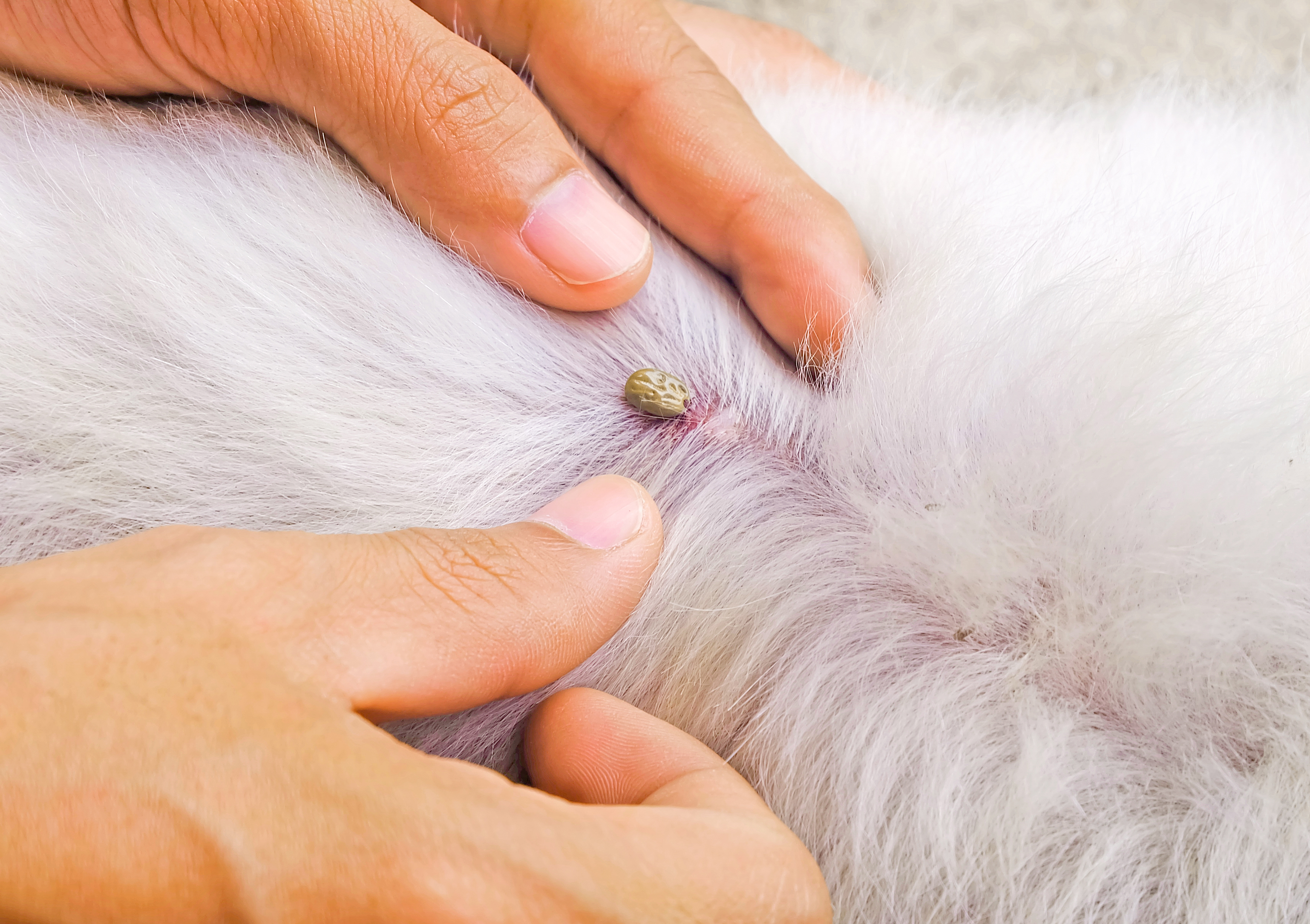
Ticks can cause serious problems in dogs, including Lyme disease, ehrlichiosis, and Rocky Mountain Spotted Fever. The trouble is that ticks can be difficult to spot, especially in the thick jungle of a dog’s furry coat.
Yet here in New Jersey, we have plenty of ticks in the woods, trails, and even backyards we and our dogs frequent. That’s why the team at True Care Veterinary Hospital wants to share tips for spotting ticks and knowing the early signs of tick disease in dogs.
Is it Possible to Prevent Tick Infections?
The good news about ticks is that many cases of tick disease in dogs can be prevented with year-round parasite prevention. We recommend that you give your dog a tick preventive every month.
Oral and topical preventives kill ticks before they can transmit disease to your canine companion, and staying on track with tick preventives is one of the most effective ways to keep your pet healthy.
You should also:
- Check your dog for ticks every day, especially after spending time outside or going for walks in wooded or grassy areas.
- When you’re checking, focus on the hidden areas, like your pup’s ears, arm and leg-pits, toe cracks, and under-collar area.
- Keep your yard’s grass trimmed and avoid letting leaf litter build up in your yard—ticks love long grass and leaf piles!
- Avoid high-risk areas, like thick woods or forests, during peak tick season (spring and summer!) or opt for early-morning or late-evening hikes before ticks get extra active.
Ticks can’t instantly transmit diseases to your dog. They typically have to stay attached for at least several hours before they can transmit Lyme disease and other infections to dogs.
This is why removing the ticks quickly, even in the hour or two after exposure to tick-prone areas, can significantly reduce the risk of infection.
Early Symptoms of Tick Disease in Dogs
If you haven’t been able to keep up with tick preventive measures, you may feel nervous about whether your pup has acquired a tick-borne disease. What tick fever, erlichia, or Lyme disease symptoms should you be looking out for?
Here’s what to keep an eye on:
- Limping. Especially if the affected leg seems to change from day to day, lameness is a major symptom of Lyme disease in dogs, and is caused by inflammation in the joints.
- Fever and exhaustion. Dogs with tick fever can seem abnormally tired, sleepy, and even hot to the touch.
- Loss of appetite. Any sudden drop in appetite can be a red flag for multiple tick-borne illnesses.
- Swollen lymph nodes. Notice small lumps under your pup’s jaw or behind her knees? These may be swollen lymph nodes—a symptom that your dog’s body is trying to fight off a systemic infection.
- Uptick in bruising or bleeding issues. Infections like ehrlichia can affect how your pet’s blood clots, which can lead to nosebleeds or bruising.
- Increase in stiffness. If your pup is reluctant to move, jump, or play, this can be a sign of pain caused by a tick-borne illness.
Keep in mind that symptoms don’t often appear right after a tick bite. It can take days, or even weeks, for signs of infection to appear. So, whenever you notice one or more of the symptoms above, reach out to your veterinarian right away.
With early diagnosis and treatment, your dog can enjoy a happy, healthy life, ticks notwithstanding.
The skilled team at True Care Veterinary Hospital is always here for your pet. Call us today at (732) 677-2180 for a tick prevention, diagnosis, or treatment appointment.