
 Menu
Menu
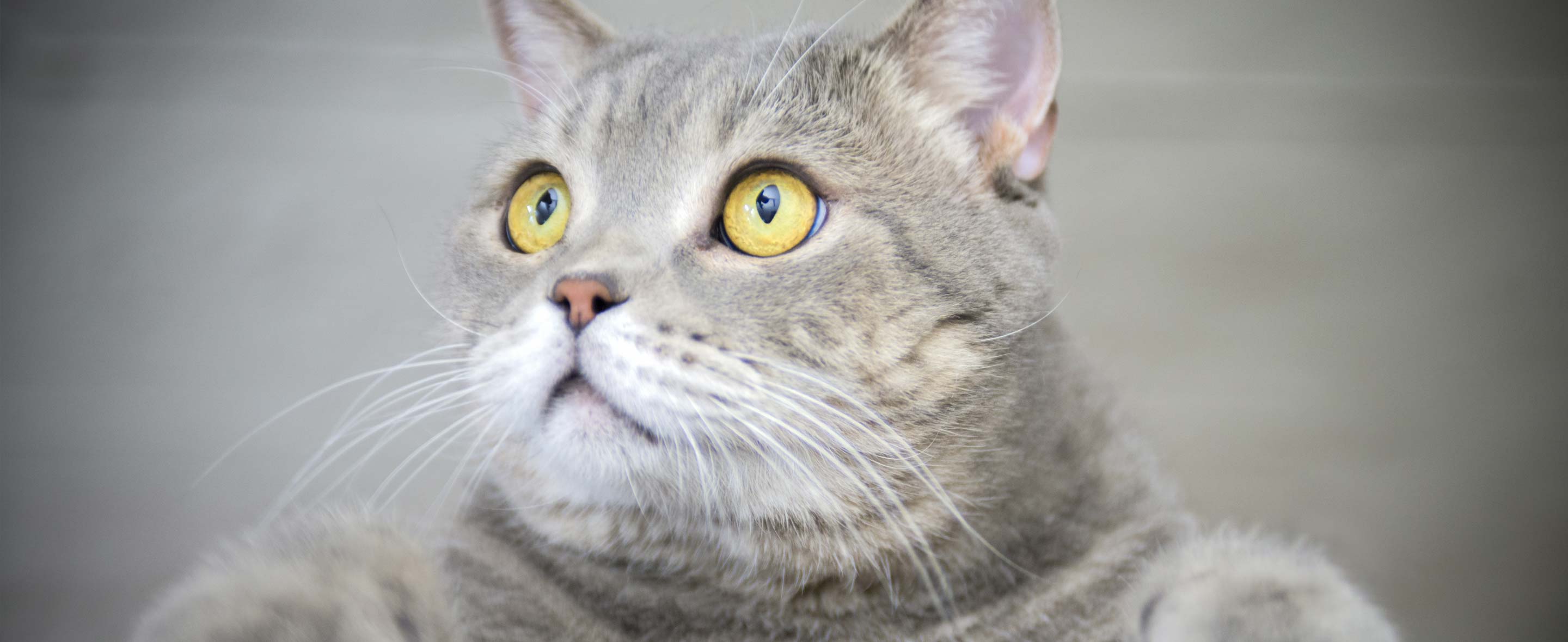

Most pet parents know to keep cleaning supplies and medications out of reach, but rat poison is a hidden danger that turns into an emergency very quickly. Curious dogs and even adventurous cats may sniff, chew, or accidentally swallow bait left around the home, garage, yard, or neighborhood. Unfortunately, rat poison in dogs and cats is more common than many people realize, and every minute counts.
If you think your pet may have been exposed, don’t wait for symptoms to appear. Seeking emergency vet poisoning care right away gives your furry family member the best chance for a full recovery.
Why Rat Poison Is So Dangerous for Pets
Not all rat poisons work the same way. Some interfere with blood clotting, while others affect the brain, kidneys, or other vital organs. Because there are several different types of rodenticides, symptoms can vary depending on the product your pet encountered. That’s why rodenticide poisoning in pets should always be treated as a medical emergency, even if your pet seems perfectly normal at first.
Signs Your Pet May Have Been Poisoned
Some pets show symptoms quickly, while others may not become sick for several days. Keep an eye out for warning signs like:
- Weakness or extreme tiredness
- Pale gums
- Nosebleeds or bleeding from the mouth
- Bruising without an obvious injury
- Coughing or difficulty breathing
- Vomiting or diarrhea
- Tremors or seizures
- Trouble walking or loss of coordination
- Collapse
If your pet displays any of these symptoms or you know they came into contact with rat poison, contact your veterinarian or an emergency veterinary hospital immediately. Waiting to see what happens makes treatment more difficult.
Don’t Hesitate & Act Quickly
If you suspect your dog or cat has ingested rat poison, stay calm but act quickly.
Important steps to follow:
- Remove your pet from the area
- Bring the poison packaging if you have it (the active ingredient will help your veterinarian choose the right treatment)
- Do not try home remedies unless a veterinarian specifically tells you to do so
- Head to your veterinarian or the nearest emergency animal hospital as soon as possible
Early treatment may include safely removing the toxin before it is absorbed, monitoring blood work, or providing medications based on the type of poison involved. The sooner treatment begins, the better the outcome is likely to be.
Prevention Is the Best Protection
No one likes dealing with rodents, but protecting your pets should always come first. A few simple precautions can help prevent a frightening situation.
Tips to follow:
- Store rodenticide products where pets cannot access them.
- Consider pet-safe alternatives for rodent control.
- Supervise pets during walks so they do not pick up unknown objects.
- Check your yard, garage, and storage areas regularly for forgotten bait stations.
- Ask neighbors or property managers if rodenticides are being used nearby.
A little extra awareness today can save you from a very scary tomorrow. After all, our curious four-legged detectives have a talent for finding things we’d rather they didn’t.
If You Suspect Rat Poison, Don’t Wait!
When it comes to rodenticide poisoning in pets, time truly matters. Even if your pet looks perfectly fine, internal damage may already be developing. Quick action and getting prompt emergency veterinary poisoning care can make all the difference.
If you believe your pet has been exposed to rat poison, contact the veterinary team at TrueCare Veterinary Hospital immediately. Fast treatment can save lives, and that’s something every wagging tail and happy purr deserves.