
 Menu
Menu
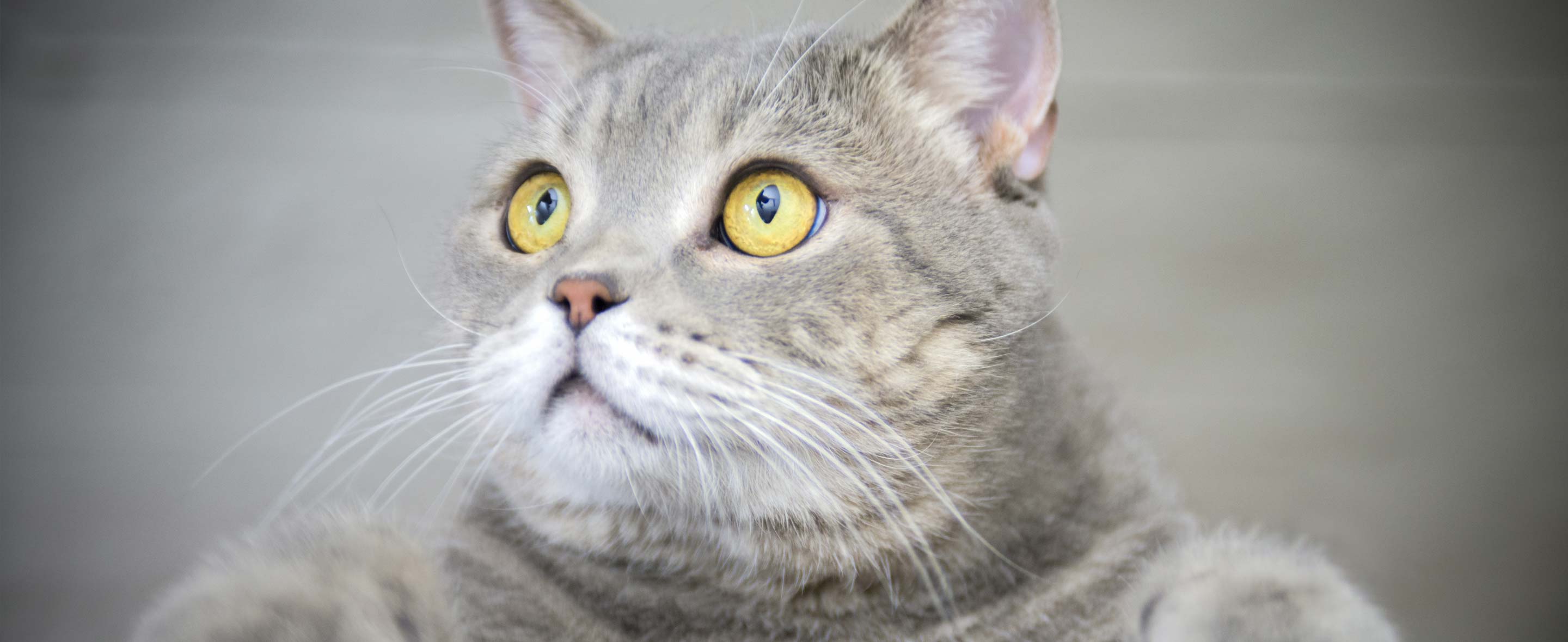
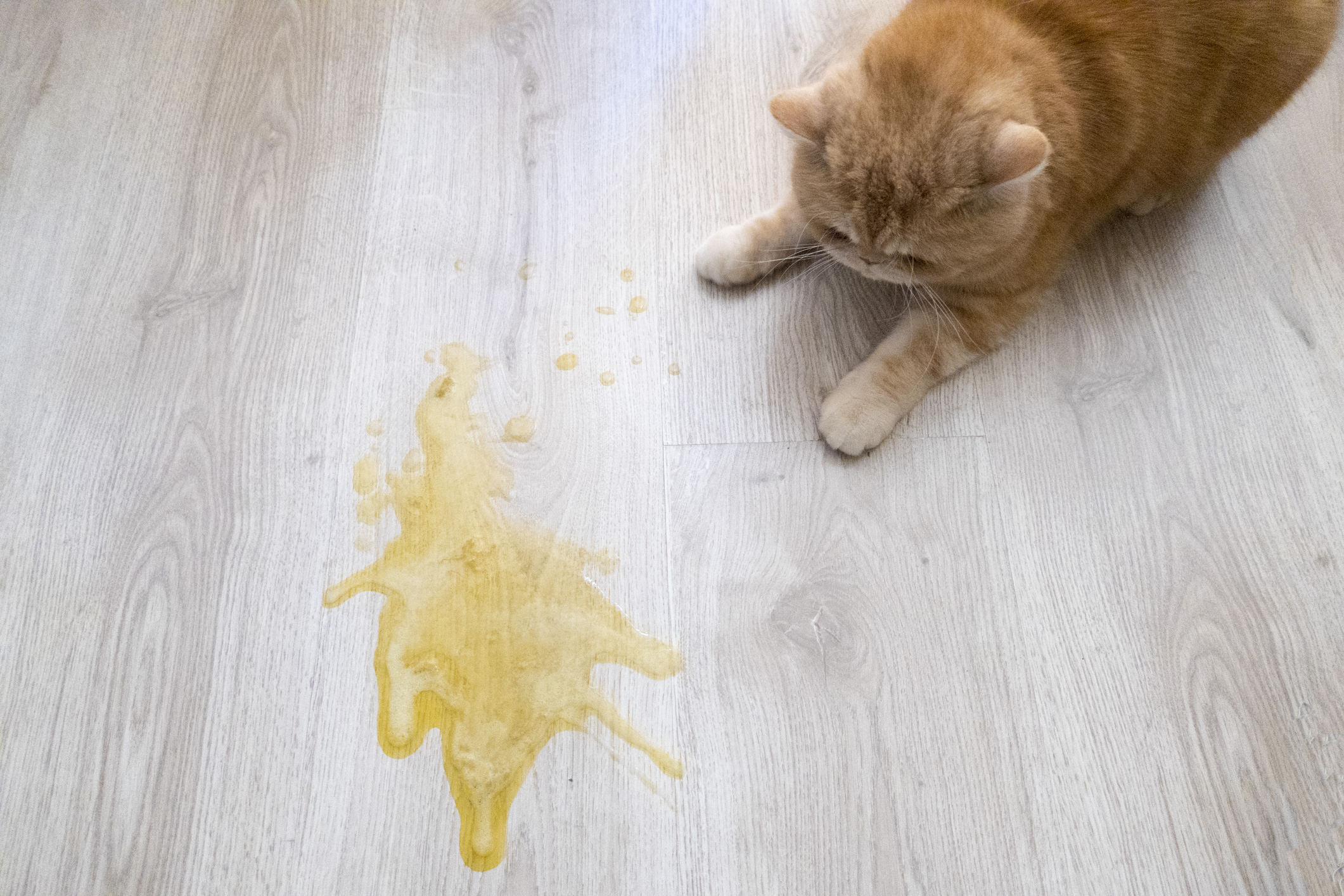
Cats have the remarkable capacity to act completely unbothered while simultaneously creating chaos. One minute, they’re sunbathing like tiny royalty, the next, they’re vomiting dramatically at 3 a.m.
Still, while the occasional hairball may be normal, frequent vomiting is not something to ignore—and when it occurs during warmer weather, several seasonal factors could be to blame. If you’re wondering when to worry about cat vomiting, keep reading for helpful insights from our team at True Care Veterinary Hospital.
Summer Illness in Cats: Hidden Risks
When it comes to cat vomiting causes, summer can make things worse simply because in the summer months, certain risk factors become more common.
From mild stomach irritation to more serious illness, these unique hazards and potential triggers during warmer weather can lead to summer illness in cats:
- Eating spoiled food or garbage
- Hairballs from increased shedding
- Stress from travel, guests, or changes to their routines
- Exposure to toxic plants, lawn chemicals, or insects
- Heat stress and dehydration
- Increased parasite exposure
- Ingesting dietary no-no’s during parties or cookouts
Cats allowed to roam outdoors may also encounter contaminated water or prey animals carrying disease. And then there’s the classic feline summer strategy: baking themselves in a sunny window like a furry croissant until they overheat.
Cat Throwing Up Frequently: When It’s More Than a Hairball
A single episode of vomiting may just warrant a wait-and-see approach. Cats sometimes eat too quickly, groom excessively, or simply experience a temporary bout of tummy upset.
But a cat throwing up frequently deserves attention—especially if it happens multiple times in a short period or becomes a recurring pattern.
Since cats are masters of subtlety when they don’t feel well, symptoms can quietly progress before they become obvious.
Don’t wait to contact your veterinarian, especially if your cat’s vomiting is accompanied by any of these additional warning signs:
- Loss of appetite
- Lethargy
- Weight loss
- Diarrhea
- Increased thirst
When to Worry About Cat Vomiting
Kittens, senior cats, and cats with existing medical conditions are especially vulnerable to dehydration and complications.
It’s time to contact your veterinarian if your cat:
- Vomits repeatedly in one day
- Cannot keep food or water down
- Seems weak or dehydrated
- Has blood in the vomit
- Stops eating altogether
We’re Here to Help
Vomiting may seem like “just a cat thing,” but persistent or sudden changes can signal something more serious beneath the surface. Paying attention to patterns, especially during the heat of summer, can help you catch problems early and protect your cat’s health.
With a thorough evaluation and appropriate treatment, we can help identify the cause and get your cat feeling better. Please contact us today if you have concerns about a cat throwing up frequently or if it’s time for your pet’s checkup.