 Menu
Menu
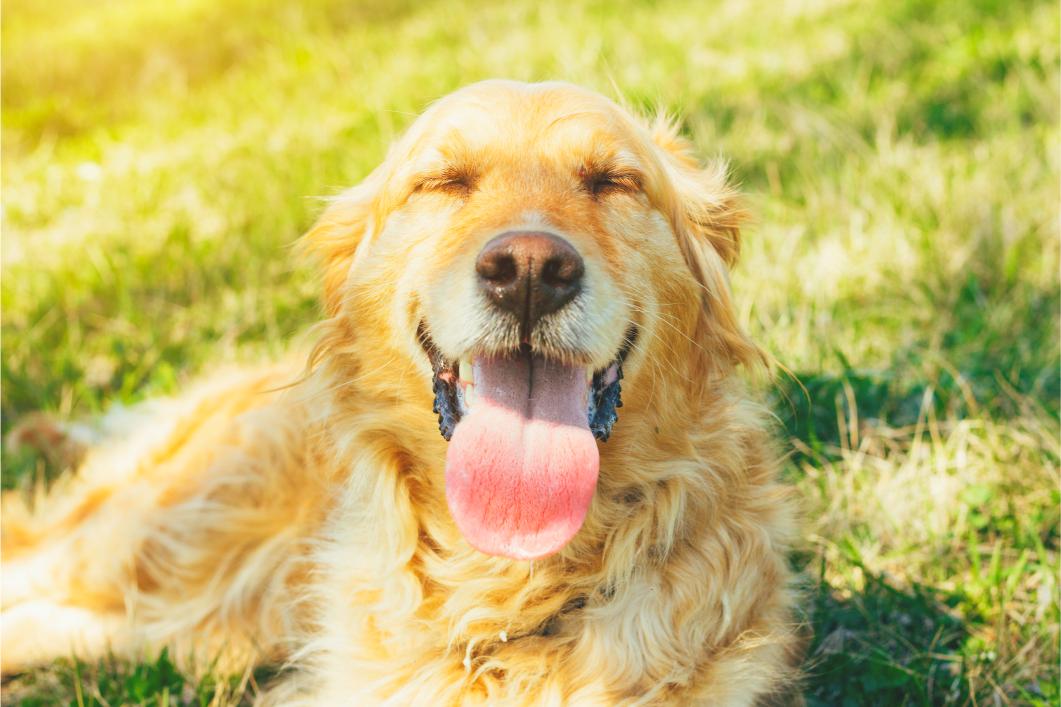
Panting is perfectly normal after a rousing game of fetch or an energetic walk on a warm day. Dogs pant to help regulate their body temperature, and most pet parents expect to see a happy, tired pup breathing heavily after exercise. But what if your dog is panting for seemingly no reason?
In this blog, our team at True Care Veterinary Hospital takes a close look at the possible causes of excessive panting in dogs to help pet parents know when it’s time to seek veterinary attention.
When Panting is Normal
Some situations naturally cause dogs to pant more, including:
- Physical activity
- Warm weather
- Excitement or anticipation
- Car rides or new environments
- Meeting new people or pets
A dog panting excessively during and after playtime or an exciting new adventure will typically return to normal breathing once the fun is over.
Why Is My Dog Panting for No Obvious Reason?
Sometimes, panting is one of the few outward signs of pain, anxiety, or stress, so persistent, unexplained panting shouldn’t be ignored.
Pain-related causes of panting can include:
- Injuries or muscle strains
- Dental disease
- Arthritis or joint pain
- Abdominal discomfort
- Post-surgical pain
Anxiety-related panting can stem from:
- Thunderstorms
- Fireworks
- Travel
- Separation anxiety
- Changes in routine
Medical Reasons for Excessive Panting in Dogs
A dog panting excessively can also be linked to an underlying illness. Conditions that may contribute include:
- Heart disease
- Lung disease
- Cushing’s disease
- Anemia
- Fever or infection
- Obesity
- Allergic reactions
Certain medications, including steroids, can also increase panting. Because many of these conditions develop gradually, excessive panting may be one of the earliest clues that something isn’t quite right.
When to Call Your Veterinarian
While occasional panting is normal, seek veterinary care promptly if your dog experiences:
- Panting at rest
- Difficulty breathing
- Blue, pale, or gray gums
- Collapse or weakness
- Persistent coughing
- Sudden changes in behavior
- Loss of appetite
- Excessive thirst or urination
Supporting Your Dog’s Well-Being
While not all medical conditions can be prevented, keeping your dog healthy and maintaining routine wellness exams can help us catch problems before they become serious.
Other tips for ongoing health and fitness include:
- Provide plenty of fresh water
- Maintain a healthy weight
- Monitor changes in breathing patterns
- Avoid strenuous exercise during hot weather
- Discuss any concerning symptoms with your veterinarian
We’re Here to Help
Panting isn’t always caused by heat or exercise. If your dog is panting a lot, it’s worth paying attention to the circumstances and whether other symptoms are present.
Whether your pet is experiencing excessive panting due to pain, anxiety, or an underlying medical condition, a thorough evaluation can help uncover the cause and get your canine companion back to feeling his or her best. Please contact us if you have concerns about your dog panting excessively.